
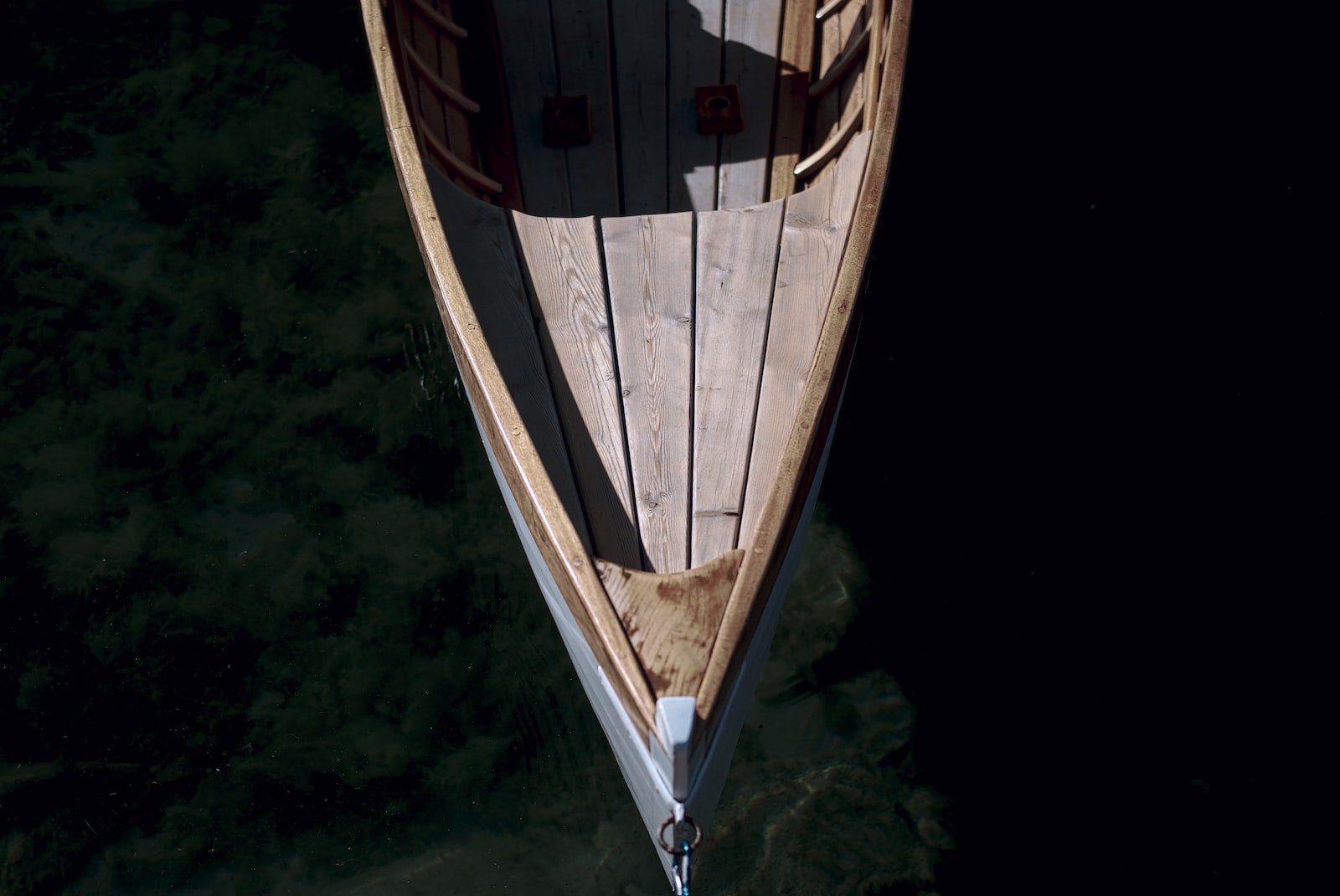
Wooden shipbuilding has been around for thousands of years and has played a vital role in human transportation, trade, and exploration. Traditional shipbuilding techniques involve using various types of wood and tools to construct a vessel that is seaworthy, strong, and durable. In this article, we will explore the steps involved in building a wooden ship using traditional techniques.
How does one build a wooden ship using traditional shipbuilding techniques?
Step 1: Design and planning
The first step in building a wooden ship is to create a design and plan. This involves choosing the size and shape of the ship, selecting the type of wood to be used, and drawing up detailed plans for the construction process. Shipbuilders use a variety of tools and software to design and plan their ships, including computer-aided design (CAD) programs, drafting boards, and scale models.
Step 2: Selecting the wood
The type of wood used in shipbuilding is critical. The wood must be strong, durable, and resistant to rot and decay. Common types of wood used in shipbuilding include oak, teak, pine, and cedar. The shipbuilder will inspect the wood for any defects such as knots, splits, and cracks before selecting the best pieces for the ship’s construction.
Step 3: Lofting
Lofting is the process of transferring the ship’s design from the plans to the actual building materials. This involves marking the dimensions and curves of the ship onto the wooden planks that will be used to construct the ship. Shipbuilders use a variety of tools, including battens, rulers, and plumb bobs, to ensure that the lofting is accurate and precise.
Step 4: Building the frame
The ship’s frame is the skeleton that supports the ship’s weight and provides its shape. The frame is constructed from wooden ribs, called frames, that are bent to match the curves of the ship’s hull. The frames are then fitted into a keel, which runs the length of the ship, and the stem and stern posts, which form the front and back of the ship.
Step 5: Planking
Once the ship’s frame is complete, the next step is to add the planking. The planks are wooden boards that are fastened to the ship’s frame, forming the outer skin of the vessel. The planks are usually attached to the frames using wooden pegs or nails. The planking must be carefully shaped to fit the curves of the ship’s hull, and the joints between the planks must be caulked to make the ship watertight.
Step 6: Decking and finishing
After the planking is complete, the shipbuilder will add the decking, which forms the ship’s upper surface. The decking is usually made of wooden planks and is fastened to the ship’s frame and planking. The shipbuilder will also add the ship’s superstructure, including the cabins, masts, and rigging. Finally, the ship will be finished with a coat of paint or varnish to protect the wood from the elements.
Conclusion
Building a wooden ship using traditional shipbuilding techniques is a complex and time-consuming process that requires a great deal of skill and expertise. Each step of the process must be carefully planned and executed to ensure that the ship is strong, seaworthy, and durable. While modern shipbuilding techniques have largely replaced traditional methods, there is still a great deal of interest in preserving this ancient craft. Wooden ships built using traditional techniques are still used for recreation, as well as for commercial and educational purposes. Building a wooden ship using traditional techniques is not only a testament to the history and craftsmanship of shipbuilding, but it also provides a unique and rewarding experience for those who undertake the challenge. The skills and knowledge required for traditional shipbuilding are passed down through generations, ensuring that this ancient craft continues to thrive and evolve.


