
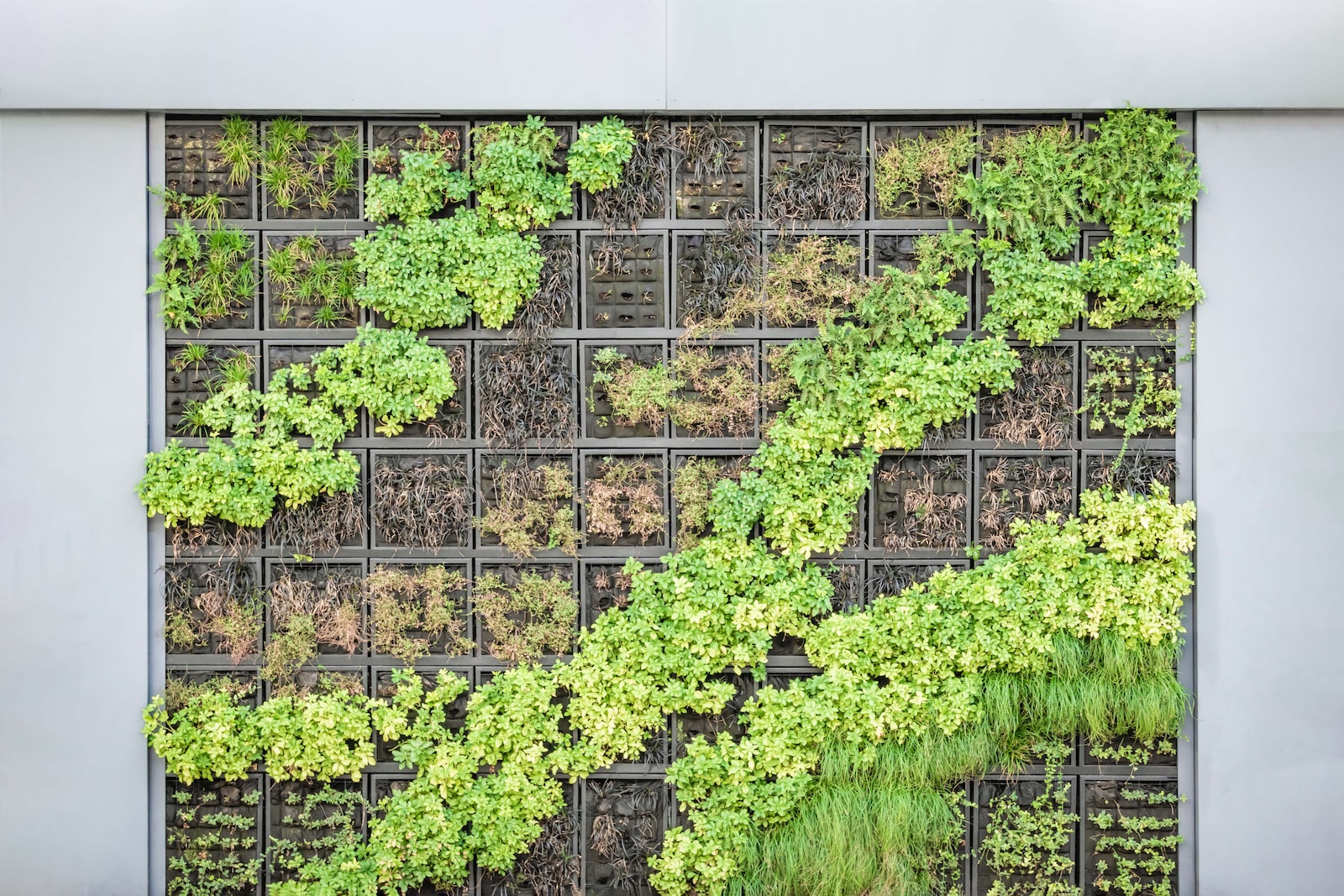
For those who love gardening but have limited outdoor space, a vertical garden is a great option to add greenery and beauty to their surroundings. A vertical garden not only adds aesthetic value but also provides several benefits, such as better air quality, insulation, and reduced heat. In this article, we will discuss how to create a vertical garden in a limited space.
Creating a Vertical Garden in a Limited Space
1. Choose the Right Location
Choosing the right location is crucial for a vertical garden’s success. It should receive enough sunlight, but not too much that it dries out the plants. You should also consider the weather conditions in your area and choose a location accordingly. If you live in a windy area, you might need to add some support to keep the plants in place.
2. Decide on the Type of Vertical Garden
Vertical gardens come in different forms, and you should decide which type suits your space and preference. The two most common types are the living wall and the hanging garden.
A living wall involves attaching a structure to a wall or a fence, and planting the plants in pockets or trays. A hanging garden, on the other hand, involves hanging containers or baskets that contain the plants. You can also create a combination of both types if it suits your space.
3. Choose the Right Plants
Choosing the right plants for your vertical garden is crucial for its success. You should select plants that are suitable for the growing conditions in your area and the amount of sunlight they will receive in their new location. You should also choose plants that are compatible with the type of vertical garden you have chosen.
Some of the best plants for a vertical garden are succulents, herbs, and small flowers. They are easy to maintain, don’t require much space, and are perfect for a vertical garden.
4. Prepare the Soil
The soil is a critical factor in a plant’s growth, and you should prepare it accordingly. You can either use soil that is suitable for the plants you have chosen or make your own soil by mixing different components.
If you are using soil, make sure it is well-draining and has enough nutrients to support plant growth. If you are making your soil, you can mix components such as peat moss, compost, and perlite to create a lightweight, well-draining soil.
5. Install an Irrigation System
An irrigation system is crucial for a vertical garden’s success, as it ensures the plants receive the right amount of water. There are different types of irrigation systems available, such as drip irrigation, which is the most efficient and uses less water than other systems.
You can also use a timer to ensure that the plants receive water at the right time and in the right quantity.
6. Use Mulch
Mulch is a layer of material that is placed on top of the soil to retain moisture and suppress weed growth. You can use materials such as wood chips, straw, or shredded leaves as mulch.
Mulch also helps to regulate soil temperature and adds nutrients to the soil as it decomposes.
7. Add Decorative Features
Adding decorative features to your vertical garden can enhance its beauty and make it more appealing. You can add features such as a trellis, ornaments, or even small solar lights to make it more attractive.
8. Maintain Your Vertical Garden
Maintaining your vertical garden is essential for its success. You should regularly check for pests and diseases and take the necessary measures to control them. You should also prune the plants regularly to ensure they don’t overgrow.
In conclusion, creating a vertical garden in a limited space is a great way to bring some greenery into your home or outdoor living space. With a little bit of creativity and planning, you can turn even the smallest areas into a lush and vibrant garden. By selecting the right plants, using the right growing media, and providing the proper care and maintenance, you can create a stunning vertical garden that will thrive for years to come. Whether you’re looking to add a splash of color to your apartment balcony or transform your small backyard into a green oasis, a vertical garden is a perfect solution for limited spaces.


