
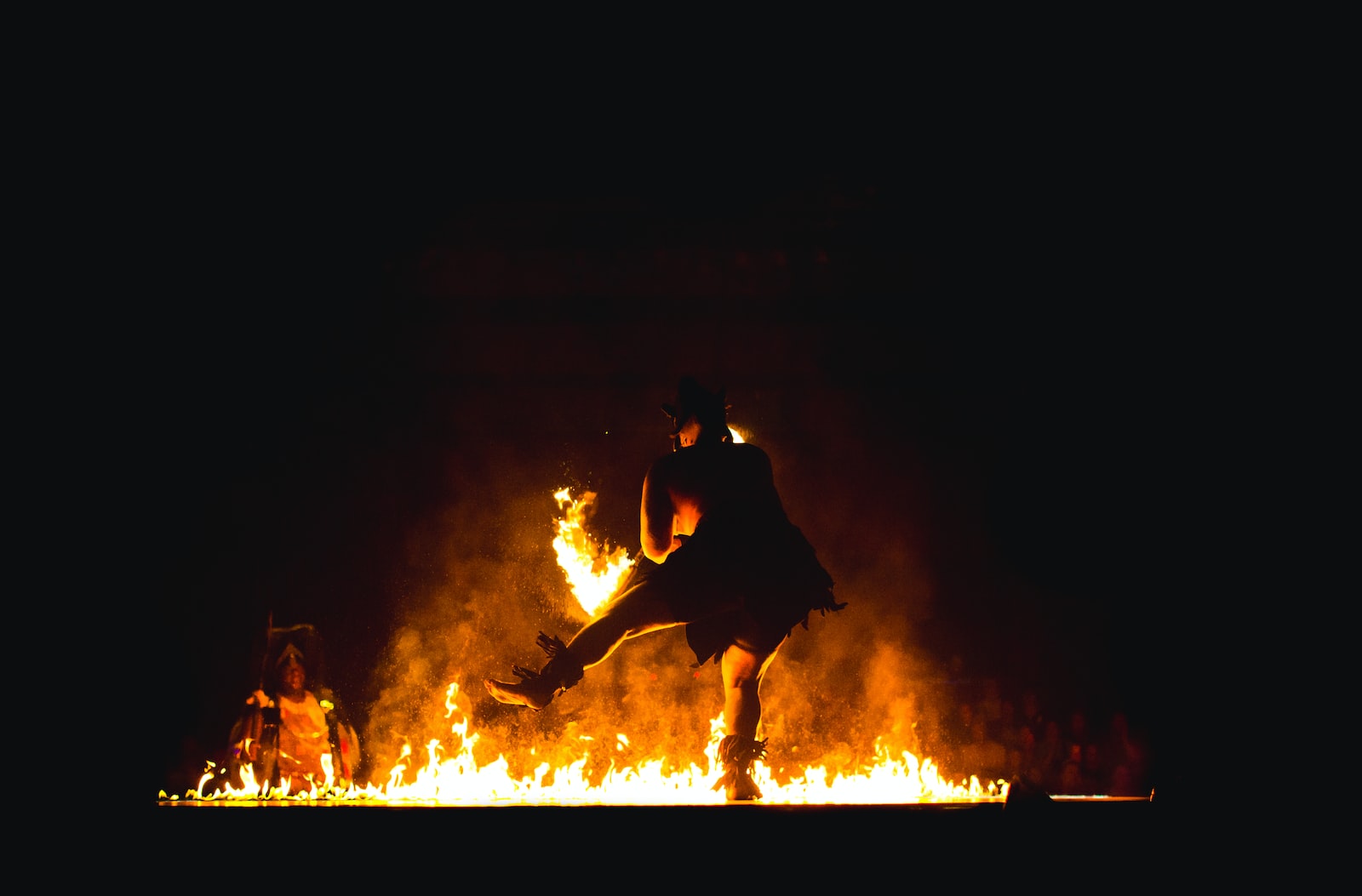
African art has a rich history and cultural significance that dates back thousands of years. From traditional masks and sculptures to contemporary paintings and installations, African art has played a vital role in the expression of spirituality and the preservation of cultural traditions. Understanding the spiritual aspects of African art requires a deep appreciation of its cultural context and symbolism.
Understanding the Spiritual Aspects of African Art
The Importance of Spirituality in African Art
Spirituality is a fundamental aspect of African culture and is intricately woven into every aspect of life. African art is no exception, and it is often used as a medium for expressing and exploring spiritual beliefs and practices. The spirituality of African art is not limited to religious beliefs but extends to the broader concept of spirituality as a connection to the world and the divine.
African art is deeply connected to the natural world, and many of its forms and symbols are derived from the environment. For example, the use of animals in African art is common, and each animal has its symbolic meaning, often related to spiritual beliefs. Additionally, many African art forms incorporate elements of nature, such as wood, clay, and earth, which are believed to possess spiritual properties.
The Role of Symbols in African Art
Symbols play a vital role in African art, and they are often used to convey spiritual meaning and communicate complex ideas. African artists use a wide range of symbols, from geometric patterns to animal motifs, to convey different aspects of spiritual belief and cultural identity.
For example, masks are a common form of African art that is used in religious ceremonies and rituals. Each mask has its unique design and symbolism, often representing specific deities or spiritual beings. The use of color and shape is also significant in African art, and each color has its symbolic meaning. For example, red is often associated with life force, while black represents the unknown and mysterious.
The Connection Between African Art and Ancestors
Ancestors play a vital role in African spiritual beliefs, and their presence is felt throughout African art. Many African cultures believe that the ancestors are a source of wisdom and guidance and that they are still present in the lives of the living. African art is often used as a medium for communicating with the ancestors, and many artworks are created with the intention of honoring and appeasing them.
For example, the Benin bronze plaques, created in the Kingdom of Benin in present-day Nigeria, depict scenes from the lives of the kings and their ancestors. The plaques were created to honor the ancestors and to convey their importance in the lives of the people. Similarly, the Ndebele beadwork of South Africa is often created with the intention of appeasing the ancestors and seeking their protection and blessings.
The Continuity of African Art
African art has a long history, and many traditional art forms have been passed down through generations. The continuity of African art is essential in maintaining cultural identity and preserving spiritual beliefs. African artists often learn their craft from their elders, and many traditional techniques and materials are still used today.
For example, the Adinkra cloth of Ghana is a traditional textile that has been produced for over 200 years. The cloth is printed with symbols that represent spiritual beliefs and cultural values and is often used in ceremonial dress. The continuity of Adinkra cloth production is essential in preserving the cultural identity of the Akan people and maintaining their connection to their spiritual beliefs.
Conclusion
Understanding the spiritual aspects of African art requires a deep appreciation of its cultural context and symbolism. African art is deeply connected to spirituality and is often used as a medium for expressing and exploring spiritual beliefs and practices. Symbols play a vital role in African art, and they are often used to convey spiritual meaning and communicate complex ideas. Ancestors are also a crucial aspect of African spirituality, and their presence is felt throughout African art. Finally, the continuity of African art is essential in maintaining cultural identity and preserving spiritual beliefs.
In conclusion, African art is a rich and diverse cultural tradition that has played a vital role in the expression of spirituality and the preservation of cultural identity. By understanding the spiritual aspects of African art, we can gain a deeper appreciation of its cultural significance and the role it plays in connecting people to their spiritual beliefs and the natural world.


