
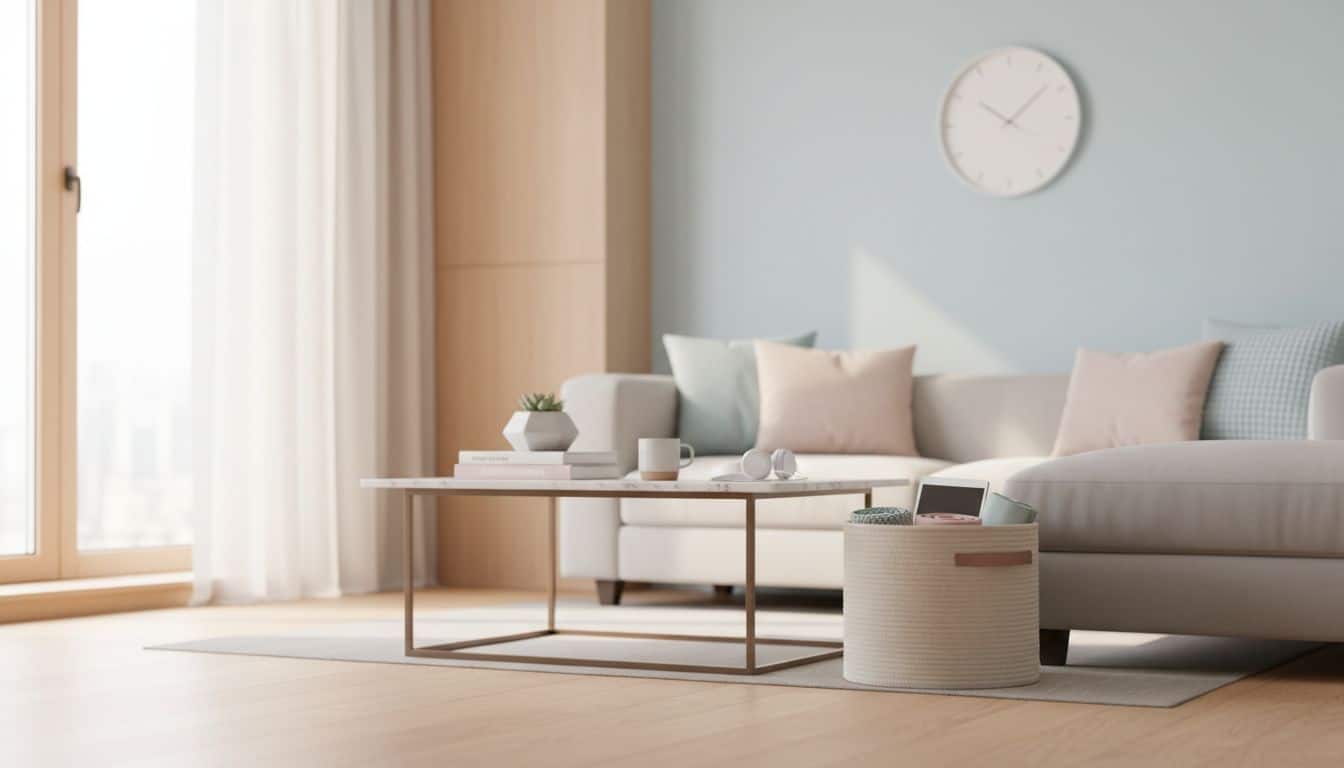
Mess is sneaky. It doesn’t usually arrive as a single disaster, it shows up as a mug here, a hoodie there, and a mystery pile that grows like it pays rent.
A 10 minute tidy works because it treats clutter like crumbs, not like a full kitchen remodel. You’re not “cleaning the house.” You’re resetting it, the same way you’d brush your teeth even if you didn’t eat ribs.
The goal is simple: keep small messes from turning into weekend-eating projects. That means making the routine easy, repeatable, and forgiving.
Choose a daily cue, not a mood, and keep it boring
Motivation is unreliable. Tuesday at 9:40 p.m. doesn’t care about your best intentions. So start by picking a time cue that already happens, because habits stick to other habits.
For example, tie your 10 minute tidy to one of these anchors: right after dinner, right before bed, after you start the dishwasher, or after your kid’s bedtime story. The cue matters more than the exact hour. Consistency beats the “perfect” schedule.
Next, make the tidy visibly small. Set a timer for ten minutes. Not eight, not “until it looks better.” Ten. When the timer starts, you’re in a sprint, not a marathon. When it ends, you stop, even if the room isn’t perfect. That’s how you teach your brain that this routine is safe.
The tidy ends when the timer ends. Stopping on time is what makes you willing to start tomorrow.
Also, lower the start-up friction. Keep a small trash bag roll and a laundry basket where you actually use them. Put on one song, or none. The routine should feel like putting on socks, not planning a heist.
If you live with other people, define what “participating” means. It can be tiny. One person clears cups, another gathers laundry. Even roommates can manage “handle your own stuff for ten minutes,” because it’s hard to argue with a timer.
Finally, expect imperfect days. Some nights you’ll do two minutes. Still counts. You’re building the reflex. The house learns your rhythm.
Give everyday clutter a “parking spot” (and stop making it your problem)
Most mess isn’t random. It gathers in the same places because your home has a few high-traffic surfaces. These are your clutter magnets: the counter, the chair, the entry table, the bathroom sink. The fix isn’t more willpower, it’s better parking.
Start with “landing zones,” which is a nice way of saying: stuff needs a home close to where it lands. Keys should live by the door because keys don’t want a scenic tour of your apartment. Mail needs a spot that isn’t the kitchen counter. Shoes need a place to go that isn’t “everywhere.”

Photo by RDNE Stock project
A practical trick is to use two simple containers where clutter often builds: one for “put away later” (only if you’ll actually do it), and one for “donate or leave the house.” Labeled boxes help because they reduce decision fatigue. When you’re tired, you need fewer choices, not better character.
Here’s a quick way to match common hotspots with a single, realistic fix:
| Clutter hotspot | What piles up | One simple landing zone fix |
|---|---|---|
| Entryway | Keys, bags, shoes | Bowl or hook set, plus a shoe tray |
| Kitchen counter | Mail, chargers, random items | Small inbox tray, one charging spot |
| Bedroom chair | “Not dirty yet” clothes | One hamper or one hook, not both |
| Bathroom sink | Products, hair tools | Small bin under sink, one daily caddy |
The takeaway: you’re not organizing your whole life, you’re giving the most common items a place to stop.
Once landing zones exist, the 10 minute tidy gets easier because you’re not making hard decisions. You’re just returning things to their parking spots. Less thinking, more moving.
Follow a simple 10-minute tidy script (so you don’t wander around)
Without a plan, ten minutes turns into five minutes of staring, two minutes of moving one object, then a sudden desire to reorganize the pantry. A script keeps you on track, especially on low-energy days.
Use the same order every time. Repetition makes it faster because you stop debating what to do next. Here’s a straightforward routine that works in most homes:
- Start with obvious trash: Grab a bag and scan surfaces fast. Wrappers, junk mail, empty bottles, and receipts go first because they’re easy wins.
- Collect dishes and cups: Bring everything to the sink or dishwasher. Don’t start scrubbing unless that’s part of your ten minutes today.
- Do a laundry sweep: Put dirty clothes in the hamper. Put clean clothes back where they belong, or at least fold them into one neat stack.
- Reset one main surface: Pick the counter, coffee table, or desk. Clear it to “usable,” not spotless. A clear surface changes how the whole room feels.
- Return items to landing zones: Keys to the bowl, shoes to the tray, chargers to the station. This is where your earlier setup pays off.
- End with a two-minute future favor: Pack a bag for tomorrow, set out a lunch container, or put the remote where you’ll find it. Tiny prep reduces tomorrow’s clutter.
While you work, keep your standards friendly. You’re not proving anything. You’re maintaining. Think of it like skimming foam off soup, you’re preventing overflow.
If you miss a day, don’t “make up for it” with a punishing hour-long cleanup. Just restart the next day. If the mess has grown, do two rounds (twenty minutes) once, then go back to ten. That keeps the routine from turning into a drama.
The best routine is the one you can repeat when you’re tired, busy, or annoyed.
One more helpful boundary: don’t start “projects” during the tidy. No sorting photos. No reorganizing closets. If you find an item that belongs in a complicated place, put it in a small “later” bin and move on. Ten minutes is for motion, not deep thinking.
Conclusion: keep it small, keep it daily, keep it kind
A 10 minute tidy works when it’s predictable. Anchor it to a daily cue, set up a few landing zones, then follow the same simple script each time. The house won’t stay perfect, but it will stay manageable, and that’s the win that matters.
Start tonight, even if you only clear cups and trash. Tomorrow-you will notice. Above all, treat this as maintenance, not a moral test.


